A dual-timeline historical novel

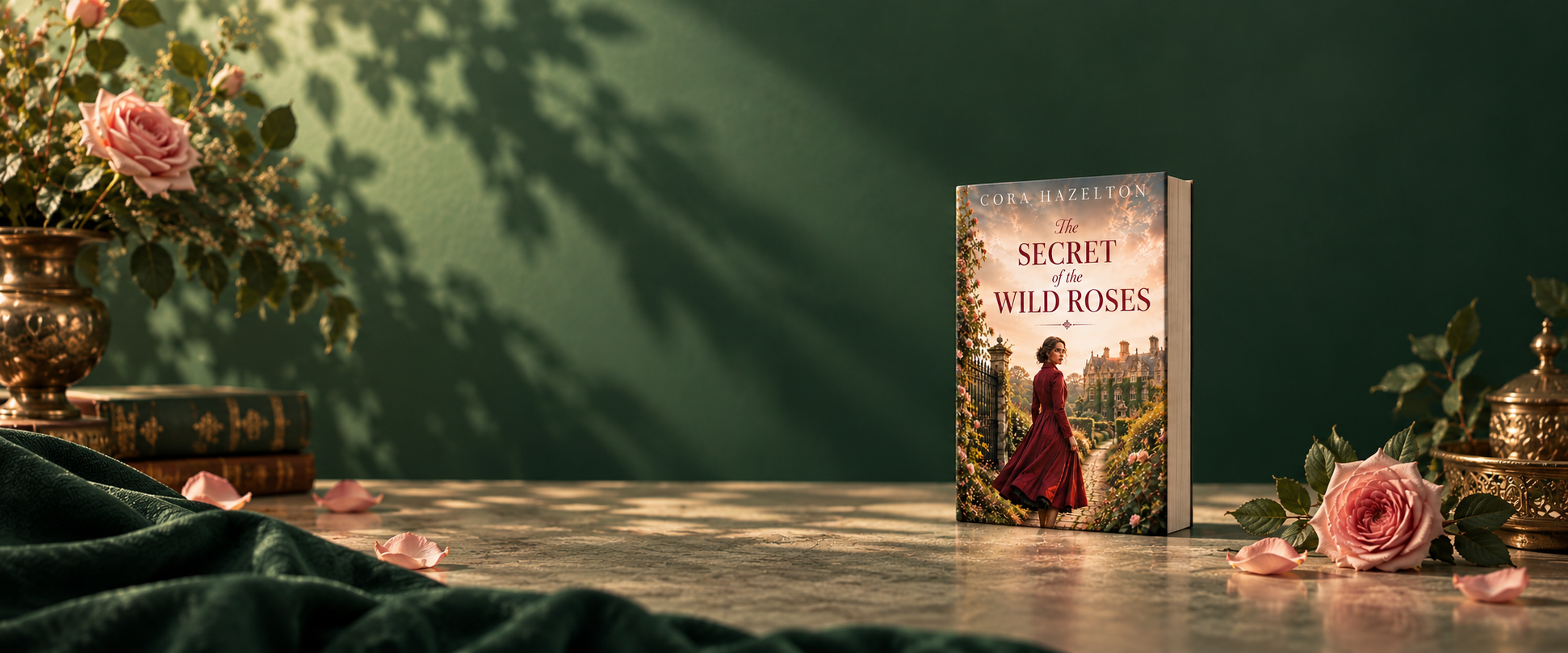
The Secret of the Wild Roses

Some houses keep their secrets.
Others grow them.

The Book

A quiet house with a history of its own.

The Secret of the Wild Roses is a dual-timeline historical novel centred on Rose Hill, an old country house surrounded by the remains of a once-loved garden.

1952. Twenty-year-old Caitlin Montgomery is sent to Rose Hill Sanatorium to treat her epilepsy. But the institution is not the place of healing it claims to be. Behind its polished reputation lie fear, unanswered questions and a world Caitlin is determined to understand.

The present day. When Caitlin's granddaughter Dalina unexpectedly inherits Rose Hill, she travels from Boston to England, hoping for a fresh start. Instead she finds a neglected estate, a family history no one seems eager to discuss, and a young archivist with his own reasons for distrusting her name.

As Dalina begins to explore Rose Hill, the past starts to surface through photographs, documents, memories and the traces left by the people who lived there. What happened at Rose Hill, and why has nobody wanted the whole story told?

“The past has a way of waiting for us in the places we thought we had left behind.”

Past & Present

Two strands of the same story.

1952

Caitlin arrives at Rose Hill as a young woman with epilepsy and quickly discovers that the institution's public reputation tells only part of the story.

Present day

Dalina inherits Rose Hill and begins to uncover the traces of the people and choices that shaped the house long before she arrived.

Behind the Story

The research behind Rose Hill.

The novel grew from research into psychiatric care, institutional life, social expectations and the often-overlooked work of women.

Psychiatric care in the 1950s

The middle of the twentieth century was a period of major change in psychiatric care, with established institutional traditions existing alongside new approaches to treatment and rehabilitation.

When medicine was experimenting

New therapies and medicines were explored with a mixture of hope, uncertainty and incomplete understanding. That tension became part of the novel's historical atmosphere.

The work of women

Another thread of research followed women whose work shaped care, rehabilitation and everyday institutional life, often without receiving lasting recognition.

Bed in Anne Hathaway's Cottage, Stratford-upon-Avon
Anne Hathaway's Cottage, Stratford-upon-Avon — I loved the tiny details that make a historic home feel lived in.

Researching Place

Old houses are never just scenery.

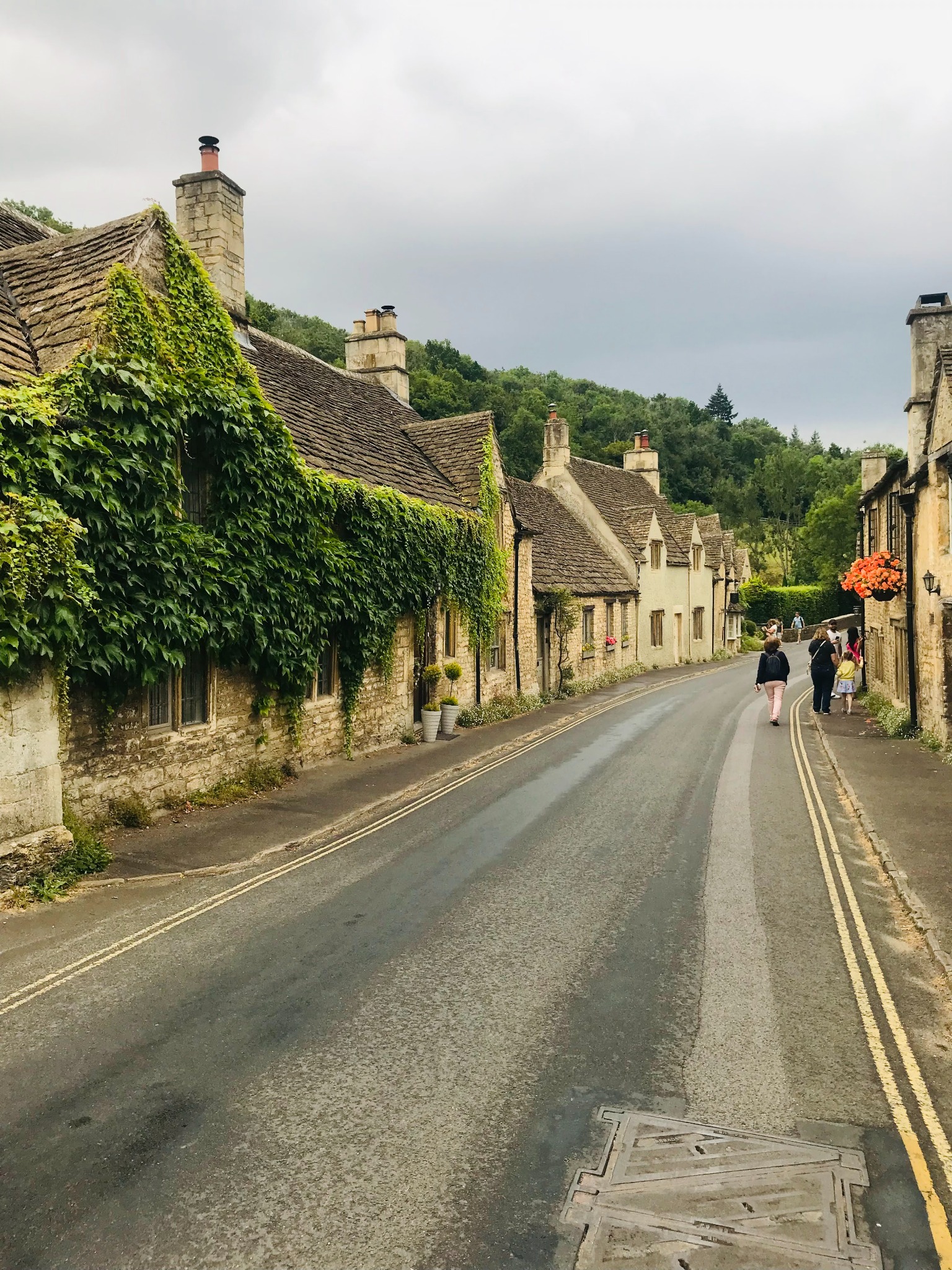
I love the point where a building starts to tell you something about the people who lived there. Timber, stone, stairs, worn floors and gardens can all carry traces of another life.

Walking through historic houses and towns helps me imagine the texture of a setting before I ever put it on the page.

Places, objects and little discoveries are part of how I find the texture of another time.

A Little Inspiration

Sometimes a story begins with a song.

I found the video hauntingly beautiful, with a melancholy that stayed with me long after I watched it. That atmosphere inspired me while I was writing The Secret of the Wild Roses. The novel itself tells a very different story, but that sense of beauty, sadness and quiet unease stayed with me.

For ARC Readers

Would you like to read my stories before everyone else?

If you enjoy atmospheric historical fiction, old houses, family secrets and stories that move between past and present, you might like to join my Early Reader Team.

Join the Early Reader Team